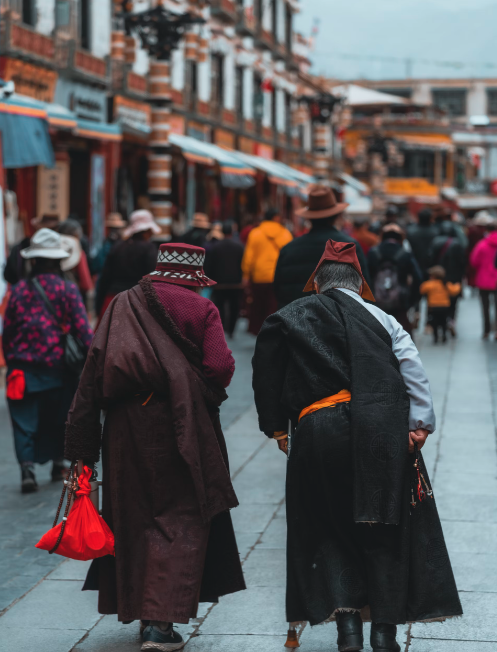
Spiritual and Religious Exploration: Tibet is known for its deep spiritual heritage, with Tibetan Buddhism being a central element of the culture. Tourists can explore sacred monasteries, temples, and stupas, including the iconic Jokhang Temple and the historic Sera Monastery in Lhasa. Pilgrims from all over the world visit these sites to pay their respects and seek spiritual enlightenment.
Potala Palace: A UNESCO World Heritage Site and former residence of the Dalai Lamas, the Potala Palace is an architectural masterpiece and a must-visit in Lhasa. Its stunning architecture and historical significance make it a prominent attraction.
High-Altitude Landscapes: Tibet boasts some of the most mesmerizing landscapes on Earth. Visitors can witness the majestic Himalayas, including Mount Everest, the world’s highest peak. The Tibetan Plateau is dotted with serene lakes, including Namtso and Yamdrok, as well as breathtaking valleys, making it a paradise for nature lovers and photographers.
Adventure Opportunities: Tibet offers a range of adventure activities for thrill-seekers. Trekkers, climbers, and mountain bikers are drawn to the challenging terrain. The Everest Base Camp trek and other high-altitude adventures are popular choices for those seeking an adrenaline rush.
Cultural Festivals: Tibet celebrates a variety of cultural and religious festivals throughout the year. Losar (Tibetan New Year), Saga Dawa, and Shoton Festival are among the most vibrant and colorful events. Festivals often feature traditional music, dance, and masked performances.
Nomadic Lifestyle: In some regions of Tibet, you can experience the traditional nomadic way of life, where yak herding is a primary occupation. Visitors can stay in traditional black yak-hair tents and gain insight into the nomadic culture and customs.
Tibetan Cuisine: While in Tibet, you can savor Tibetan cuisine, which includes dishes like momo (dumplings), thukpa (noodle soup), and yak-based dishes. These meals provide warmth and sustenance in the high-altitude environment.
Challenging Environment: Due to its high altitude and remote locations, Tibet can be challenging for travelers. Altitude sickness is a concern, and acclimatization is essential. It’s advisable to be physically prepared and seek medical advice before visiting.
Warm Hospitality: Tibetan people are known for their warm and welcoming nature. Visitors often find themselves invited into local homes, offering a glimpse into the lives of the friendly and hospitable Tibetans.
Photographic Opportunities: The landscapes, cultural rituals, and architectural marvels in Tibet provide excellent opportunities for photography. The unique lighting, vibrant colors, and stunning backdrops make it a photographer’s dream.
Tibet offers an exceptional travel experience, characterized by a combination of spiritual enrichment, cultural immersion, and the exploration of some of the world’s most dramatic natural landscapes. When planning a trip to Tibet, be aware of the regulations and permit requirements, respect local customs, and embrace the unique and challenging environment to make the most of your visit.